
Childhood Vaccinations information for parents
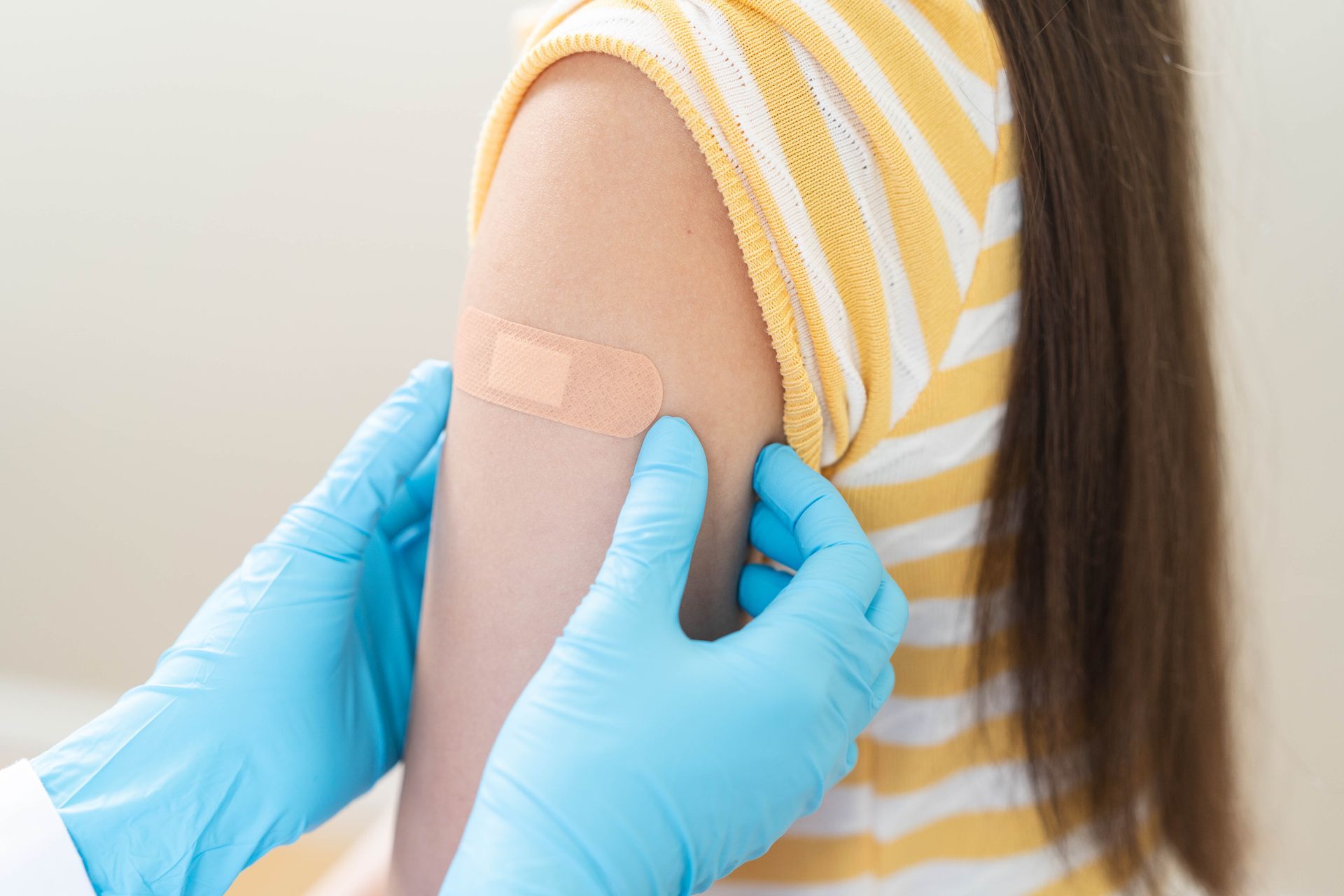
Childhood vaccinations are one of the most important steps a parent can take to protect their child's long-term health. This article explains what parents need to know about immunisation schedules, what to expect at appointments, and how to keep their child's records up to date.
What Are Childhood Vaccinations and Why Do They Matter?
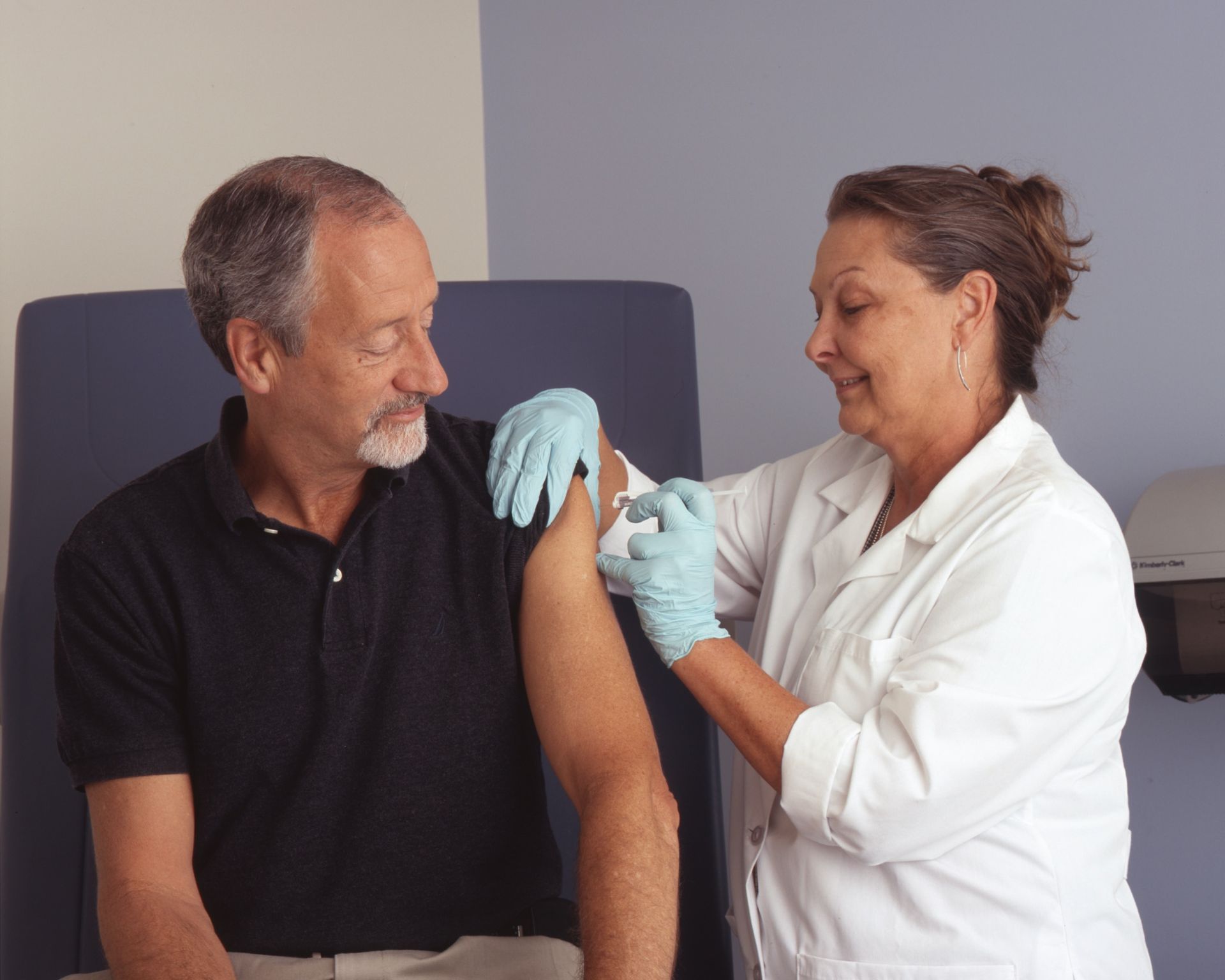
Vaccines are among the most effective tools available for preventing serious illness in children. They work by training the immune system to recognise and fight specific diseases before a child is ever exposed to them. For families in the greater Brisbane area, where Queensland's warm and humid climate can support the spread of certain infectious diseases, staying on schedule matters.
Australia's National Immunisation Programme (NIP) outlines the recommended routine childhood immunisations for all Australian children. Most are available free of charge to children who hold, or are eligible for, a Medicare card. These vaccines cover diseases including whooping cough, measles, meningococcal disease, and more.
When Should My Child Be Vaccinated?
The NIP schedule spans from birth through adolescence. Key childhood vaccination milestones typically include:
- Vaccines at birth, 2 months, 4 months, 6 months and 12 months of age.
- A booster dose at 18 months.
- Further doses at 4 years and again during adolescence, around 11 to 13 years of age.
Whooping cough (pertussis) vaccines are given at 2, 4, 6, and 18 months and at 4 years old. This is especially important because whooping cough can be life-threatening for very young children and babies. Parents and carers who are in regular contact with infants are also encouraged to speak to their GP about their own vaccination status.
What If My Child Missed a Vaccine?
Catch-up vaccinations are available if your child missed a dose. Under the NIP, children and adolescents may access free catch-up vaccines up until they turn 20 years of age. A GP can review your child's immunisation history and recommend the right catch-up schedule.
What Side Effects Should Parents Expect?
Mild reactions are common after childhood vaccinations and generally resolve on their own within a day or two. These may include a sore injection site, low-grade fever, or irritability. Serious reactions are rare. If your child develops a high fever or symptoms that concern you, contact your GP promptly.
How to Keep Track of Your Child's Immunisations
Every vaccine your child receives is recorded on the Australian Immunisation Register (AIR). Parents can access their child's immunisation history statement through a Medicare online account via myGov or the Express Plus Medicare mobile app. Keeping this record current can also be important for school enrolment and childcare requirements in Queensland.
It is a good idea to bring your child's immunisation record to every GP appointment. This helps your doctor confirm that all doses are up to date and flag anything that may have been missed.
Speak to a GP About Your Child's Immunisation Needs
Parents who have questions about childhood vaccinations can book an appointment with an experienced GP to review their child's needs. Routine childhood immunisations, as well as catch-up vaccines and influenza vaccines, may be available through a local general practice.
For families looking for trusted, compassionate care for their children's immunisation needs, Salisbury Medical Centre is ready to help. The team offers childhood immunisation services, kids' health checks, and the full range of NIP vaccines. To book an appointment, contact the clinic or visit the vaccinations page to learn more. Call 07 3277 1621 to speak with the team today.